


Effective and Reliable Furnace Installation: Professional Tips and Cost Insights
Furnace installation is a critical aspect of maintaining a comfortable and energy-efficient home. Understanding what makes a furnace installation effective and reliable can save homeowners from costly repairs and ensure optimal heating performance. This article will explore the key factors that contribute to a successful furnace installation, including the importance of professional installers, the selection of energy-efficient furnace brands, and insights into typical installation costs. By addressing these elements, homeowners can make informed decisions that enhance their heating systems‘ reliability and efficiency. Additionally, we will discuss practical tips for maintenance and preparation to maximize the lifespan and functionality of your heating system.
What Are the Key Factors for a Reliable Furnace Installation?
A reliable furnace installation hinges on several key factors that ensure the system operates efficiently and safely. First and foremost, the expertise of the installer plays a crucial role. Professional furnace installers bring experience and training that significantly reduce the risk of installation errors. Additionally, the quality of materials used during installation, such as ductwork and thermostats, directly impacts the system’s performance and longevity. Lastly, proper sizing of the furnace is essential to meet the specific heating needs of the home, preventing issues like short cycling or inadequate heating. It is also important to consider the layout of the home and existing infrastructure to ensure the furnace integrates seamlessly with other HVAC components.
Why Choose Professional Furnace Installers for Your Heating System?
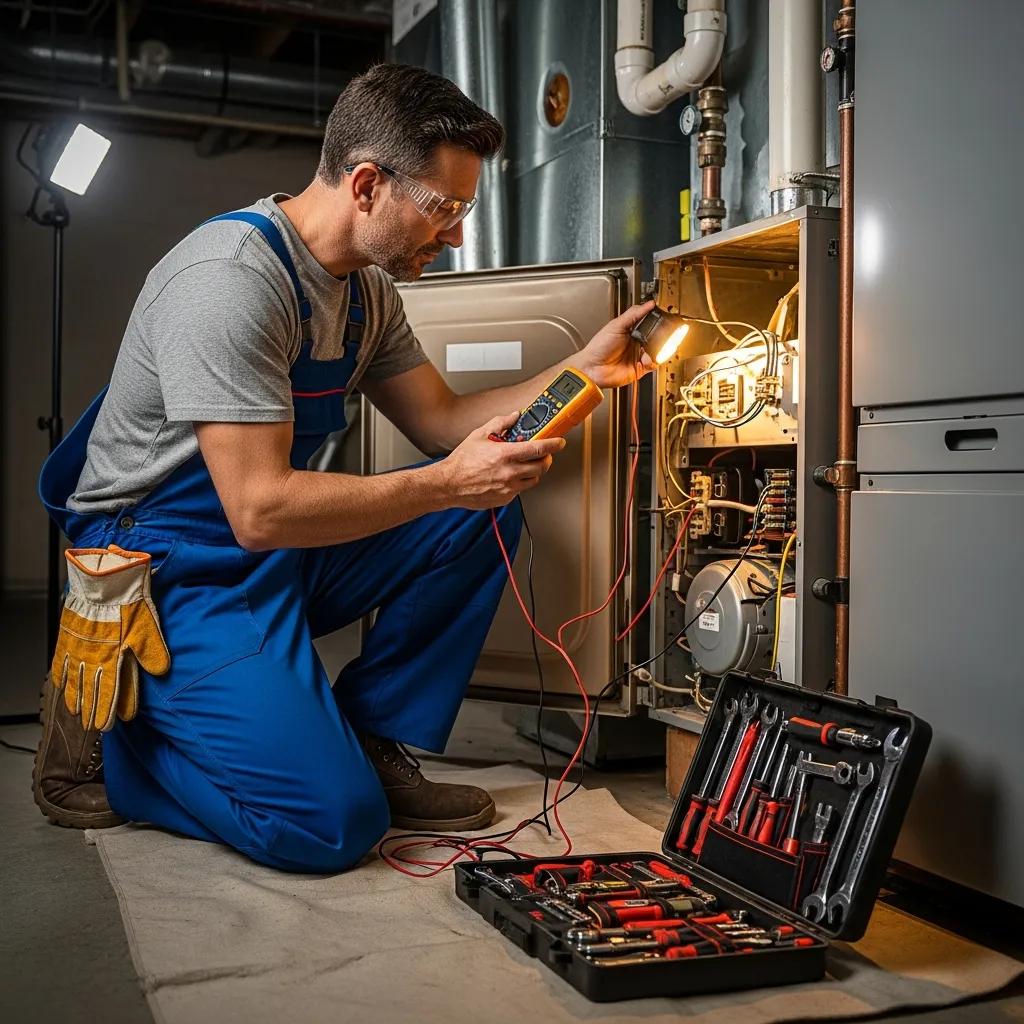
Hiring professional furnace installers is vital for several reasons. Their extensive training and experience ensure that installations comply with local codes and safety standards. Moreover, professionals can identify potential issues that may not be apparent to untrained individuals, such as inadequate ventilation or improper ductwork. This expertise not only enhances the safety of the installation but also contributes to the long-term reliability of the heating system. Homeowners can also benefit from warranties and guarantees that come with professional installations, providing peace of mind. Furthermore, professional installers often have access to the latest tools and technology, which can improve installation accuracy and efficiency.
How Does Expert Workmanship Ensure Installation Effectiveness?
Expert workmanship is a cornerstone of effective furnace installation. Skilled installers utilize best practices and advanced techniques to ensure that every component is correctly fitted and calibrated. For instance, they pay close attention to the alignment of ductwork and the sealing of joints, which can significantly affect airflow and efficiency. Studies show that professionally installed systems generally have higher success rates in terms of performance and longevity compared to those installed by amateurs. This level of craftsmanship not only maximizes the furnace’s efficiency but also minimizes the likelihood of future repairs. Additionally, expert installers conduct thorough testing after installation to verify that the system operates within optimal parameters, ensuring safety and comfort for the household.
Indeed, research highlights how critical proper ductwork and sealing are to overall HVAC system performance and efficiency.
Ductwork Flaws & HVAC System Performance
The diagnosis showed that the major problem was due to the poor performance of two supply ventilation ducts (leakages and pressure drops) called A & B, with impact on the fan blowing pressure and on pressure along ducts. Reconditioning measures were proposed by SNIA, including the near-full replacement of ventilation ductwork A and its Air Handling Unit (AHU – 2200 m3/h), the use of a duct sealing solution for ventilation ductwork B and the installation of a fan speed controller on its AHU (1900 m3/h).
Ductwork design flaws and poor airtightness: a case study about a ventilation system reconditioning in a sealed building, B Moujalled, 2018
How to Choose the Best Furnace Brand for Energy Efficiency?
Selecting the right furnace brand is crucial for achieving energy efficiency and long-term savings. Homeowners should consider several criteria when evaluating furnace brands, including energy efficiency ratings like AFUE (Annual Fuel Utilization Efficiency), warranty options, and customer satisfaction. Brands that consistently receive high marks for reliability and performance are often the best choices for homeowners looking to invest in a new heating system. It is also beneficial to research the availability of local service providers for the brand chosen, as this can impact maintenance and repair convenience.
What Are the Top Furnace Brands Recommended in Katy and Houston?
In Katy and Houston, several furnace brands stand out for their energy efficiency and reliability. Notable mentions include:
- Trane: Known for its durability and high efficiency, Trane furnaces often come with extensive warranties. Their models feature advanced technology that adapts to varying heating demands, improving comfort and reducing energy waste.
- Lennox: Offers a range of energy-efficient models that are well-regarded for their performance and quiet operation. Lennox furnaces often include smart thermostat compatibility, allowing homeowners to optimize heating schedules and save energy.
- Carrier: A trusted name in HVAC, Carrier furnaces are recognized for their innovative technology and reliability. Carrier’s systems often incorporate variable-speed blowers and modulating gas valves, which enhance efficiency and comfort.
These brands are widely available in the local market and have received positive feedback from customers regarding their performance and efficiency. Choosing any of these brands can provide homeowners with confidence in their heating system’s quality and support.
How Do Energy Efficient Heating Systems Impact Long-Term Savings?
Investing in energy-efficient heating systems can lead to significant long-term savings on utility bills. While the initial investment may be higher, the reduction in energy consumption often results in lower monthly costs. For example, energy-efficient furnaces can reduce heating costs by up to 20-30% compared to older, less efficient models. Additionally, many energy-efficient systems qualify for rebates and incentives federally and locally, further offsetting the initial purchase price. Homeowners should consider these factors when evaluating the overall cost-effectiveness of their heating options. Moreover, energy-efficient systems tend to have a smaller environmental footprint, contributing to sustainability goals and reducing greenhouse gas emissions.
What Is the Typical Furnace Installation Cost and What Influences It?
Understanding the typical costs associated with furnace installation is essential for budgeting and planning. The average cost of furnace installation can vary widely based on several factors, including the type of furnace, the complexity of the installation, and local labor rates. Homeowners should expect to pay between $3,000 and $7,000 for a complete installation, depending on these variables and the efficiency ratings of the furnace. It is also important to factor in potential additional costs such as permits, removal of old equipment, and any necessary modifications to existing ductwork or electrical systems.
Which Factors Affect Furnace Installation Pricing Locally?
Several local factors can influence furnace installation pricing in Katy and Houston. These include:
- Labor Costs: The cost of skilled labor can vary based on demand and the availability of qualified technicians in the area. High demand seasons may lead to increased labor rates.
- Material Costs: Prices for ductwork, thermostats, and other materials can fluctuate based on market conditions and supplier pricing. Specialty materials or custom components may add to the overall cost.
- Seasonal Pricing Trends: Installation costs may increase during peak heating seasons when demand for services is higher. Scheduling installations during off-peak times can sometimes result in cost savings.
Understanding these factors can help homeowners make informed decisions and potentially save on installation costs. Obtaining multiple quotes and verifying the credentials of installers can also contribute to better pricing and service quality.
How to Prepare Your Home for a Cost-Effective Installation?
Preparing your home for a furnace installation can help reduce costs and ensure a smooth process. Homeowners should consider the following steps:
- Clear the Installation Area: Remove any furniture or obstacles around the furnace location to provide easy access for technicians. This also helps prevent damage to personal belongings during the installation.
- Ensure Proper Access: Make sure that the installation area is easily accessible for equipment and materials. This includes checking doorways, hallways, and any tight spaces that may pose challenges.
- Understand the Installation Process: Familiarize yourself with the steps involved in the installation to better communicate with your installer. Asking questions beforehand can clarify expectations and timelines.
By taking these preparatory steps, homeowners can facilitate a more efficient installation process and potentially lower their overall costs. Additionally, being available during the installation to address any questions or decisions can help avoid delays and additional charges.
What Are Essential HVAC Installation Tips for Lasting Performance?
To ensure lasting performance from your HVAC system, several essential tips should be followed. Regular maintenance practices, such as changing filters and scheduling annual check-ups, are crucial for keeping the system running efficiently. Additionally, homeowners should be aware of signs that indicate potential issues, such as unusual noises or inconsistent heating. Addressing these problems early can prevent costly repairs and extend the lifespan of the system. It is also beneficial to keep records of all maintenance and repairs to track the system’s history and anticipate future needs.
How Does Proper Installation Affect Furnace Reliability?
Proper installation is directly linked to the reliability of a furnace. When installed correctly, a furnace operates more efficiently and is less likely to experience breakdowns. Common pitfalls during installation, such as improper duct sealing or incorrect sizing, can lead to significant issues down the line. By ensuring that the installation is performed by qualified professionals, homeowners can enhance the reliability of their heating systems and enjoy consistent performance throughout the winter months. Furthermore, a well-installed furnace can improve indoor air quality by reducing dust and allergens circulated through the ductwork.
What Maintenance Practices Support Energy Efficient Heating Systems?
Maintaining energy-efficient heating systems involves several key practices:
- Regular Filter Changes: Changing filters every 1-3 months helps maintain airflow and efficiency. Dirty filters can cause the system to work harder, increasing energy consumption and wear.
- System Checks: Scheduling annual inspections can identify potential issues before they become major problems. These checks often include cleaning components, checking for leaks, and verifying thermostat accuracy.
- Professional Servicing: Engaging HVAC professionals for routine maintenance ensures that the system operates at peak efficiency. Professionals can also update system settings and recommend upgrades if necessary.
Implementing these maintenance practices not only supports energy efficiency but also prolongs the life of the heating system, providing homeowners with reliable warmth for years to come. Additionally, proactive maintenance can improve safety by detecting issues such as gas leaks or carbon monoxide risks early.
Frequently Asked Questions
What should I consider when selecting a furnace installer?
When choosing a furnace installer, consider their experience, certifications, and customer reviews. Look for professionals who are licensed and insured, as this ensures they meet local safety standards. Additionally, inquire about their warranty policies and whether they offer post-installation support. It’s also beneficial to ask for references or examples of previous work to gauge their expertise. A reliable installer will be transparent about the installation process and provide a detailed estimate, helping you make an informed decision.
How can I improve the energy efficiency of my existing furnace?
Improving the energy efficiency of your existing furnace can be achieved through several methods. Regular maintenance, such as changing filters and cleaning ducts, is essential for optimal performance. Consider upgrading to a programmable thermostat to better control heating schedules. Sealing any leaks in ductwork and ensuring proper insulation in your home can also significantly reduce energy loss. Additionally, scheduling annual professional inspections can help identify and rectify inefficiencies, ultimately leading to lower energy bills and improved comfort.
How often should I schedule maintenance for my furnace?
It is recommended to schedule maintenance for your furnace at least once a year, ideally before the heating season begins. Annual inspections by a qualified HVAC technician can help identify potential issues, clean essential components, and ensure that the system operates efficiently. Regular maintenance not only prolongs the life of your furnace but also enhances its performance and safety. Homeowners should also consider changing filters every 1-3 months to maintain optimal airflow and efficiency throughout the heating season.
What is the average lifespan of a furnace?
The average lifespan of a furnace typically ranges from 15 to 30 years, depending on the type, brand, and maintenance practices. Gas furnaces generally last around 15-20 years, while electric models can last longer, up to 30 years. Regular maintenance and timely repairs can significantly extend the life of your furnace. However, if your furnace is approaching the end of its lifespan and requires frequent repairs, it may be more cost-effective to consider a replacement to ensure reliable heating.
Conclusion
Investing in professional furnace installation ensures optimal performance, safety, and energy efficiency for your heating system. By choosing reputable brands and skilled installers, homeowners can enjoy long-term savings and enhanced comfort. Preparing your home for installation and adhering to maintenance practices further supports the reliability of your furnace. Contact us and explore our expert services and premium furnace options to elevate your home’s heating experience today.