


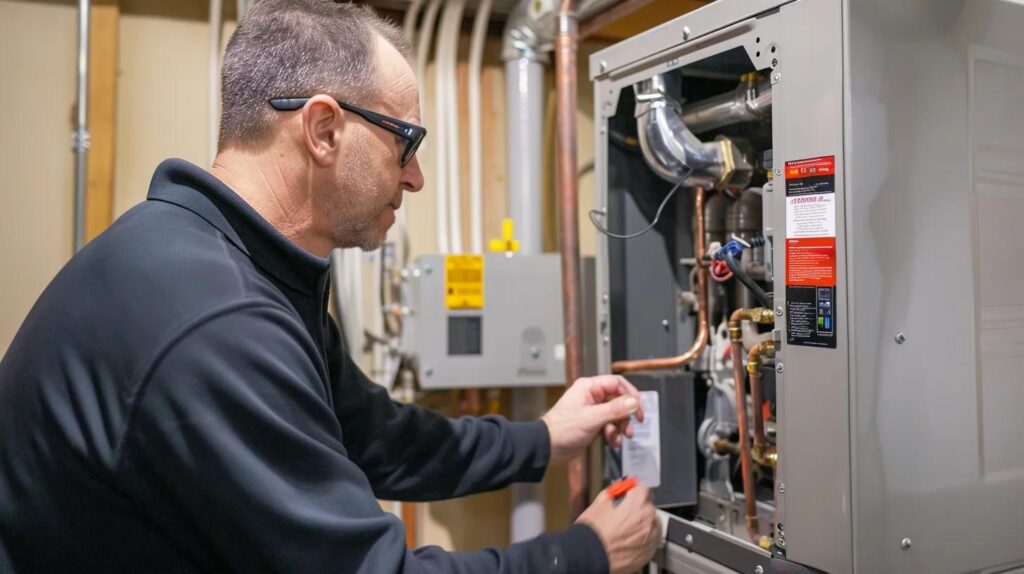
Smart Heating System Replacement: The Role of Modern Technology in Effective Heating Replacement
Replacing an aging heater is more than swapping equipment; smart heating system replacement integrates modern technology to improve efficiency, comfort, and long-term reliability. This article explains how contemporary innovations — from smart thermostats and energy-efficient heat pumps to hybrid systems, zoning, and AI-powered diagnostics — change the calculus for homeowners and commercial property owners evaluating heating replacement. Many buildings suffer from wasted energy, uneven temperatures, and surprise breakdowns; modern solutions address those problems by optimizing control, reducing runtime, and predicting failures before they escalate. You will learn how each major technology works, measurable environmental and economic benefits, and practical decision steps for selecting the right replacement strategy. The guide also covers local considerations for Katy, TX and Houston, and explains how professional assessment, tailored design, financing, and maintenance agreements fit into the replacement process. Throughout, keywords likeheating replacement technology, smart thermostats, energy-efficient heat pumps, hybrid heating systems, zoning technology, and AI HVAC predictive maintenance are used to map technical explanations to actionable choices.
Smart Heating System Replacement: Modern HVAC Innovations Explained
Modern heating replacement increasingly relies on connected controls, high-efficiency heat pumps, hybrid dual-fuel systems, zoning hardware, and AI-enabled diagnostics to improve energy performance and occupant comfort. Each technology functions differently: smart thermostats optimize setpoints and occupancy behavior; heat pumps transfer heat with high coefficient of performance measured by HSPF2 and SEER2; hybrid systems combine electric heat pumps with fossil-fuel furnaces to balance cost and performance; zoning systems direct conditioned air where needed; and AI diagnostics monitor sensor streams to detect anomalies early. Understanding these options helps owners match system types to building characteristics and retrofit constraints, which reduces wasted runtime and extends equipment life.
The table below compares core technologies by feature and practical benefit to clarify where each option fits in replacement planning.
Intro to comparison table: The table contrasts the defining feature and primary benefit of leading replacement technologies to help choose the right approach for specific retrofit or new-install scenarios.
| Technology | Main Characteristic | Practical Benefit |
|---|---|---|
| Smart Thermostat (Wi-Fi/learning) | Adaptive schedules, remote control, occupancy sensing | Lowers runtime via optimized setpoints and setback strategies |
| Heat Pump (air-source/cold-climate/geothermal) | High COP with HSPF2/SEER2 efficiency metrics | Reduces fossil-fuel consumption and operating costs |
| Hybrid (dual-fuel) System | Automatic switching between heat pump and furnace | Balances low operating cost with reliable heat in cold snaps |
| Zoning System (dampers, zone sensors) | Room-by-room control via smart controllers | Reduces energy waste by conditioning only occupied spaces |
| AI Diagnostics & IoT Sensors | Continuous data, anomaly detection, remote alerts | Prevents failures and schedules maintenance before breakdowns |
This comparison highlights how each technology targets a different failure mode or inefficiency; the next subsections explain smart thermostats and heat pumps in practical terms and outline how they produce energy savings and comfort gains.
How Do Smart Thermostats Improve Heating Control and Energy Savings?
Smart thermostats are connected controllers that learn patterns, enable remote setpoint changes, and use occupancy or geofencing to adjust heating schedules automatically. They work by combining internal sensors with cloud-based learning algorithms and user feedback to reduce heating during predictable idle periods and restore comfort ahead of occupancy. Practical benefits include typical energy reductions from optimized setback strategies, fewer manual overrides, and smoother indoor climates due to gradual ramping rather than abrupt temperature swings. Smart thermostats also integrate with other smart home devices and zoning controls to coordinate multi-stage systems, which reduces short-cycling and improves overall system efficiency. Understanding these control-level gains leads naturally to considering which heat-delivery technologies pair best with advanced controls for replacement projects.
What Are Energy-Efficient Heat Pumps and Their Benefits for Heating Replacement?
Energy-efficient heat pumps move heat rather than generate it, and modern variants include air-source, cold-climate, and geothermal units that differ by application and efficiency metrics like HSPF2 and SEER2. Heat pumps deliver higher effective efficiency (COP) than combustion furnaces in many climates, converting electrical input into multiple units of heat output, which lowers operating costs and carbon intensity. Cold-climate models extend usable temperatures with enhanced compressors and refrigerants, while geothermal systems provide very stable performance where ground loops are feasible. When planning replacement, comparing expected annual kWh use and HSPF2/SEER2 ratings against local heating demand clarifies payback and suitability for retrofit versus full duct rework.
Research indicates that modern cold-climate heat pumps are increasingly capable of maintaining high efficiency even in challenging weather conditions.
Assessing Heat Pump Efficiency in Cold Climates for Modern Heating Replacement
Heating pumps are gradually gaining a reputation as one of the most efficient solutions that can replace traditional heating equipment. That said, their benefits are yet to be realized where there are extremely unfavorable weather conditions during winter. As this paper has elaborated through the examination of case studies and experimental data, it is thus the objective of this research to establish the feasibility of using the heat pump to maintain very high-efficiency value in a region where demands for space heating are significantly high due to extreme sub-zero temperatures. It focuses on the changes in heat pump systems where the researchers have employed modified vapor injection and variable-speed compressors for better functionality during cold climates. As our evidence shows, these new heat pumps can indeed bring significant en
How Do Hybrid Heating Systems and Zoning Technology Enhance Comfort and Efficiency?
Hybrid heating systems and zoning technology combine equipment-level efficiency with targeted distribution to improve comfort and reduce energy waste in varied building types. A hybrid or dual-fuel system typically prioritizes a heat pump when temperatures are moderate for low operating cost, and switches to a furnace at lower outdoor temperatures to maintain capacity and rapid recovery. Zoning uses dampers, multiple thermostats, and smart zone controllers to direct conditioned air only where needed, preventing overheat/underheat cycles in multi-story homes or mixed-use commercial spaces. Together, these approaches reduce runtime on the highest-cost mode, minimize temperature conflicts between zones, and increase perceived comfort by tailoring delivery to occupancy patterns.
Hybrid and zoning use-case list: When to consider combined approaches for replacement.
- Multi-zone family homes with uneven heating between floors benefit from zoning to target comfort while a hybrid system reduces fuel costs.
- Properties with limited ductwork or mixed occupancy (offices + storage) use zone control to avoid conditioning unoccupied spaces.
- Retrofit projects in climates with occasional cold snaps use dual-fuel logic to preserve heat pump efficiency while retaining furnace backup.
These scenarios show that pairing distribution control with the right generation technology can significantly cut operating costs and increase occupant satisfaction, and the next subsection explains the mechanics of hybrid switching in more detail.
What Is a Hybrid Heating System and How Does It Combine Furnace and Heat Pump Benefits?
A hybrid heating system integrates a heat pump and a furnace with control logic that selects the most economical heat source based on outdoor temperature or cost signals. The control strategy prefers the heat pump during milder conditions where its coefficient of performance yields lower operating cost, and automatically transitions to the furnace when efficiency or capacity thresholds indicate the furnace is more effective. This automated switching reduces fuel bills and preserves comfort during extremes while avoiding manual intervention by occupants. Hybrid systems can also use time-of-use or demand response signals to choose the lowest-cost mode, offering operational flexibility in areas with variable electricity pricing. Recognizing these tradeoffs helps owners weigh capex versus expected opex savings as part of the replacement decision.
Hybrid heating systems offer a sophisticated approach to managing energy costs and comfort by intelligently blending the strengths of heat pumps and furnaces.
How Does Zoning Technology Personalize Heating and Reduce Energy Waste?
Zoning divides a building into independently controlled areas using motorized dampers, zone thermostats, and a control panel that sequences the air handler or heat sources. By heating only occupied zones, zoning reduces runtime and prevents whole-house overheating, which is especially effective in multi-story homes and buildings with disparate occupancy schedules. Typical outcomes include shorter runtimes on the primary heat source, reduced temperature conflicts between rooms, and improved occupant satisfaction due to localized control. Zoning is often straightforward to add in ducted systems but requires design attention to maintain pressure balance and avoid excessive fan energy; when combined with smart thermostats, zoning can also adopt learning schedules for each zone to maximize savings. Properly designed zoning complements heat pump and hybrid strategies to concentrate energy where it produces the most value.
Why Is AI-Powered HVAC and Predictive Maintenance Critical for Modern Heating Replacement?
AI-powered HVAC and predictive maintenance use sensor data, trend analysis, and anomaly detection to identify component degradation before it causes failure, enabling planned service and smarter replacement timing. Predictive maintenance systems collect parameters such as vibration, pressure, temperature, run hours, and error codes, and apply machine learning to detect deviations from healthy baselines that signal wear or imminent faults. Benefits include fewer emergency failures, lower total cost of ownership through timely repairs, and more accurate end-of-life decisions for major assets based on usage and condition rather than calendar age. For replacement planning, AI insights can show whether a system needs immediate replacement or targeted component renewal, helping owners prioritize investments with clearer ROI expectations. Below is a short list of predictive maintenance benefits that are valuable when replacing aging heaters.
Predictive maintenance benefits list:
- Prevents unexpected downtime by identifying faults early.
- Reduces repair costs through targeted, timely interventions.
- Extends equipment life by correcting degrading conditions before failure.
These benefits explain why integrating diagnostics into replacement planning often delivers a faster payback through avoided emergency service and improved lifecycle management.
What Are the Environmental and Economic Benefits of Upgrading to Modern Heating Technologies?
Upgrading to modern heating technologies lowers greenhouse gas emissions and household or facility operating costs by improving equipment efficiency and enabling lower-carbon heat sources. Energy-efficient furnaces and heat pumps demonstrate measurable reductions in fuel or electricity consumption, often reflected in AFUE and HSPF2/SEER2 ratings that predict annual energy use. New refrigerants with lower global warming potential (GWP) reduce direct emissions from leaks, and regulatory trends push toward low-GWP refrigerants on a predictable timeline. The table below quantifies typical metrics and their practical impacts to help owners estimate annual savings and compliance implications when planning a replacement.
Intro to metrics table: This EAV table links common upgrade entities to typical metrics and the practical impact owners can expect in operating cost or sustainability.
| Upgrade Entity | Typical Metric/Range | Practical Impact |
|---|---|---|
| Energy-efficient Furnace | AFUE ≥ 95% | Lower yearly fuel use; quicker payback in high-use homes |
| Heat Pump | HSPF2 8.5–11+ / SEER2 14–20+ | Significant kWh savings vs baseline electric resistance |
| Low-GWP Refrigerant (R-32, R-454B) | GWP reduced vs R-410A | Reduced emissions risk and regulatory compliance alignment |
| Zoning & Controls | Runtime reduction 10–30% | Direct operating cost savings and comfort gains |
This table shows how efficiency metrics translate into real savings and compliance readiness, and the next subsection explains how these upgrades influence property value and energy bills.
How Do Energy-Efficient Furnaces and Eco-Friendly Refrigerants Support Sustainability?
High-AFUE furnaces reduce combustion fuel use by capturing more heat from the same fuel input, lowering carbon emissions per unit of heat delivered; typical modern furnaces achieve AFUE values that materially cut annual fuel consumption. Eco-friendly refrigerants with lower GWP reduce the climate impact of potential leaks and align systems with evolving regulations that phase down high-GWP blends. Both measures contribute to sustainability goals and often qualify for incentives or rebates that improve project economics. Maintenance considerations change as well: low-GWP refrigerants and high-efficiency equipment require trained service practices to preserve performance and ensure compliance with manufacturer and regulatory requirements. These technical and regulatory shifts make it important to consider long-term maintenance and replacement pathways when selecting equipment.
How Can Modern Heating Upgrades Increase Home Value and Reduce Energy Bills?
Modern heating upgrades increase marketability and can raise property value by improving energy efficiency ratings and providing modern controls that buyers prefer. Operational savings from higher AFUE or efficient heat pumps translate to lower annual utility bills, and illustrative payback periods typically range based on local fuel prices, incentives, and usage patterns. For example, reducing annual heating energy by a few thousand kWh or equivalent fossil fuel can produce multi-year payback while also improving occupant comfort and indoor air quality. Increased buyer demand for energy-efficient homes means upgraded HVAC systems often appear favorably in home inspections and listing descriptions, enhancing resale prospects. Quantifying expected savings and payback is best done with a site-specific analysis that incorporates local climate and utility rates.
How Does Air Mechanic Services Support Modern Heating Replacement in Katy, TX and Houston?
Air Mechanic Services is a family-owned, full-service HVAC contractor that provides assessment, replacement, installation, inspection, and maintenance services tailored to modern heating technologies in Katy and Houston. Their consultative process emphasizes professional load calculations, tailored system design that matches building infrastructure, and options for maintenance agreements and financing to manage project cash flow. For owners needing rapid response, they offer 24-hour emergency services and run promotions that can reduce initial costs, while installation teams handle multi-brand equipment to support heat pumps, hybrid setups, zoning, and smart controls. Customers are encouraged to Schedule Service or Request Quote to get a site-specific assessment and a written recommendation that aligns technology choice with local climate and usage patterns.
Conclusion
Modern heating system replacements leverage advanced technologies to enhance efficiency, comfort, and reliability, ultimately leading to significant energy savings and reduced environmental impact. By understanding the benefits of smart thermostats, energy-efficient heat pumps, and hybrid systems, homeowners can make informed decisions that align with their specific needs and local conditions. Engaging with a professional service like Air Mechanic Services ensures tailored solutions that maximize these advantages. Take the next step towards a more efficient heating system by scheduling your site-specific assessment today.